 English
 Bengali
 Gujarati
 Hindi
Hindi Kannada
 Malayalam
 Marathi
 Nepali
 Punjabi
 Sindhi
 Tamil
Tamil Telugu
 Urdu
Urdu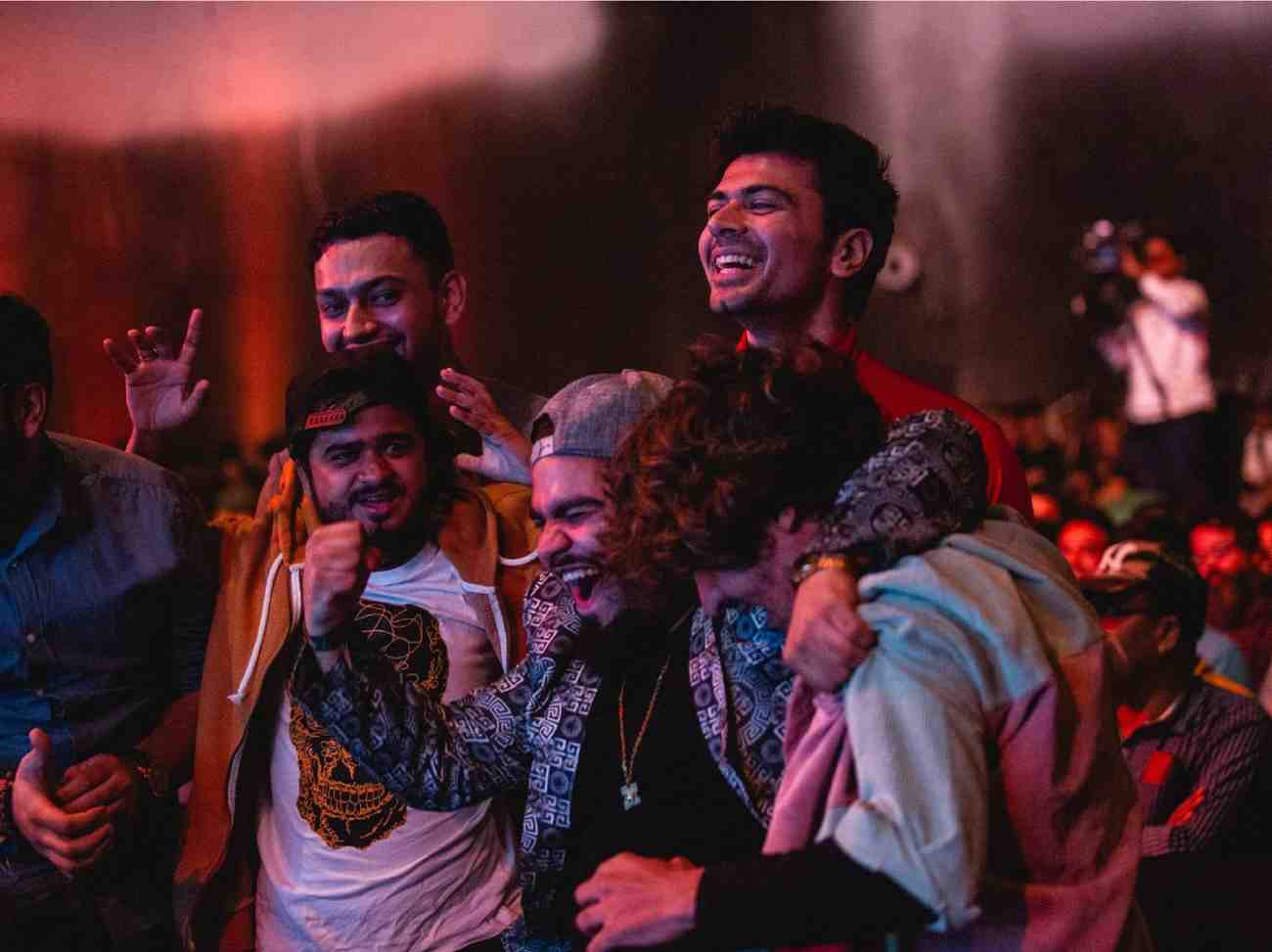
Fifteen years ago, if you asked ten people about their relationship with content, nine would say they loved watching movies, and perhaps one would admit to owning a handycam.
Today? Flip that! The ratio has inverted itself in ways no one anticipated. In every group of ten, there is likely a filmmaker, a designer, a podcaster, a comedian, or an influencer. We have moved from an era of ninety nine percent consumption to a moment where ten percent of the audience is actively creating.
At the center of this shift sits IFP, a festival that began as a weekend filmmaking challenge and has since grown into one of the country’s largest gatherings of creative and cultural talent.

Less Gyan. More Game!
What makes IFP significant is not just its size but its clarity of purpose. It has evolved in lockstep with the creator economy, absorbing its uncertainties, triumphs, insecurities, and transformations.
When creators became more entrepreneurial, IFP focused on practical learning.
When creators became multidisciplinary, the festival widened its programming.
When content became a full-time identity, the festival shifted from inspiration to real-world skill-building.
As founder Ritam Bhatnagar puts it, “A 22-year-old creator today doesn’t need another ‘industry talk’. They need to know more relevant stuff that concerns them, like how to read a contract.”
Built to Get Better, Not Just Different
This is the core of how IFP operates. Ritam’s belief is simple: a festival doesn’t need to overhaul itself every year. It just needs to keep getting sharper and more relevant.
“We don’t want to be different every year; we want to be better.”
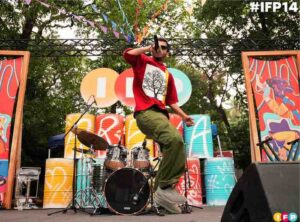
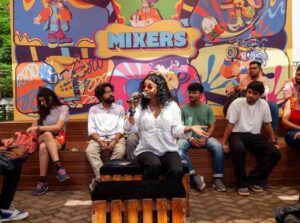
That’s why IFP moved away from generic opinion panels and built high-utility formats designed around clarity and expertise. One crowd favorite is a structured 50-minute session called ‘10 Hacks’ where a speaker shares 10 actionable insights with the screen shifting every five minutes. Another is the collaborative classroom, where a practitioner works live with real-time audience feedback, turning the stage into someone’s studio for an hour instead of a lecture.
Trying to do something drastically different every year is creatively exhausting and confusing for attendees who don’t know what to expect. In an era of goldfish-level attention spans and constant noise, new isn’t always meaningful: most things fade as quickly as they appear. What actually lasts is doing the same thing with more intention, more relevance, and more value, solving the problems creators face today, not just performing innovation for show.
The same philosophy guides speaker curation: expertise over celebrity. IFP brings people whose lived experience translates into clarity and actionable wisdom, filmmakers, comedians, editors, doctors, educators, and more, all sharing space without hierarchy. As Ritam puts it, “We pick people who know their subject so well that you leave with something you can’t Google.”
The Festival of The Reunion
Even the strongest curation falls apart without the machinery holding a festival together. Production is the unglamorous backbone of IFP, the reason sessions start on time, screens switch flawlessly, and thousands of people move through the venue without chaos. “If you ask festival founders what they hate the most, it’s production,” Ritam laughs. “No one thanks the production team for a seamless transition.”
Hosting IFP in Mumbai is both strategic and brutal: the festival needs soundproof theatres and massive outdoor spaces for installations, live-performances, food, and the crowds that define its energy. Add the fact that 70% of the audience and nearly 60% of speakers fly in, and suddenly moving 90+ speakers through Mumbai traffic to hit stage time becomes a choreography of controlled panic.
But beneath the scale and logistics, the soul of IFP is surprisingly simple, it’s a reunion. The festival team is made up of ex-interns, early employees, school friends, cousins, and people who stumbled into festival work and never left. The person running the green room might be someone who interned a decade ago; security might be handled by a childhood friend.
“IFP is like a giant Diwali party for me,” Ritam says. “Everyone who loves me flies down once a year, and they know exactly what to do.”
That trust network gives the festival a warmth most large events lack, and it lets Ritam step back. The team isn’t just efficient; they’re emotionally invested.

The Emotional Hangover
The day after IFP ends is rough. “You go from peak energy to complete silence,” Ritam says. “It’s a weird kind of grief.” The festival’s emotional toll does not end there. Gathering feedback is essential for improvement, but for a founder who has poured 360 days into crafting an experience, this is necessary, but always painful.
“You sit there thinking, I put in a year of work to make this perfect, and someone is complaining about something small. It feels like a one-star review for a film that took two years to make. That one star will always pinch you.” But that vulnerability is exactly what keeps the festival evolving.
What keeps IFP growing each year isn’t scale or spectacle. It’s the people who show up. Creators come from more than 120 cities, not just to listen to conversations or watch performances, but to feel less alone in the chaos of building something creative. It has become a space where chance conversations turn into long-term collaborators, where someone finds the person they didn’t know they were looking for, and where the energy feels real rather than manufactured.
Ritam says IFP sits where creativity meets culture, and maybe that’s why it works. It gives people a place to learn, connect, argue, build, and simply belong without having to perform for it. The festival isn’t trying to dazzle anyone. It’s trying to hold space for people who care deeply about what they do.
And maybe that’s enough reason for all of us to attend this festival which is happening on 29th of November. Check out the festival here, book your tickets now and we would love to see you there.
For more articles on festivals in India, check out our read section of this website.
Also Read:
Ziro: India’s Coolest Indie Music Festival
Share on